

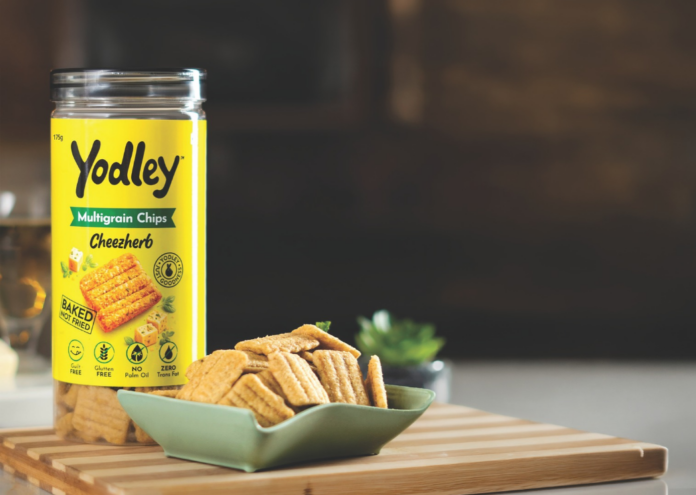

With eight SKUs and 500+ retail outlets, Yodley is chasing India’s better-bite opportunity through consumer insights, accessible pricing and innovation.
The snack aisle is having a rethink. As snacking moves from an occasional indulgence to an everyday eating occasion, consumers are becoming more conscious of what goes into the foods they reach for between meals. The growing interest in protein, familiar ingredients, lower sugar and cleaner labels is giving rise to a new generation of snacks that aim to deliver on both nutrition and taste. For the category, this shift is opening up a larger conversation around what a ‘better’ snack can look like without taking the pleasure out of snacking.
Yodley is stepping into this space with a proposition built around making healthier choices easier to reach for. Founded in 2025, the brand is navigating a category where consumers are increasingly unwilling to choose between indulgence and nutrition.
From product development to understanding evolving taste preferences, Yodley’s journey reflects the larger changes underway in India’s snacking market.
Rishi Singh, Founder, Yodley, shares that in one year, Yodley has expanded to more than 500 retail outlets across modern trade and general trade. Its products are also available on leading online platforms such as Blinkit, Amazon and other quick-commerce channels.
“One of our biggest learnings has been staying very close to the consumer. We have participated in more than 300+ activations and consumer events, where we interact with different types of consumers and understand their preferences. We then build our products around these consumer insights. With this incredible journey, we are focused on learning and executing more as quickly as possible,” he says.

Making Health the Default
For newer brands, health is creating an opportunity to compete not just on novelty, but on the quality, relevance and value they bring to the everyday snacking occasion.
Singh believes products made without maida and palm oil, and with good-quality ingredients, should become the norm rather than being positioned as specialised alternatives.
The change is being accompanied by a more informed consumer who is harder to win over with packaging or surface-level claims. “In the world of social media, nobody is unaware of what is happening,” he says. With consumers having greater access to information, he believes brands need to demonstrate a clear reason for consumers to choose them and, importantly, return to them.
He adds that repeat purchase is particularly important in snacking and FMCG, where sustained demand depends on delivering a product that consumers genuinely want to buy again.
Singh also sees room for new-age brands that can identify gaps in the market and build products around them. Consumers are looking for differentiated value propositions that they cannot easily find in the market. While consumers may pay a slight premium for better-quality snacks, he notes the broader shift towards ingredient-conscious consumption is making healthier choices less of a niche proposition and more of an expected standard.
Fibre Finds its Moment
As protein continues to dominate conversations around functional snacking, Singh sees another nutritional need gaining relevance: fibre. He believes the category has become heavily focused on protein over the past three to five years, leaving room for brands to build around gut health and fibre-led propositions. “The white space I see in snacking is fibre,” he said. “People are increasingly talking about gut problems, so there is a significant opportunity for snacks that are high in fibre.”
While protein has become a familiar part of the snacking conversation, Singh believes fibre remains comparatively underserved. “Protein has received significant attention over the last few years, but I believe fibre and gut health could become the next important conversation in snacking” he said, adding that brands that can bring fibre into convenient, appealing snack formats could find significant opportunity.
Beyond ingredients, Singh believes the next phase of snacking will be shaped by how effectively brands balance product innovation with price and packaging. He points to Yodley’s own experience of launching a product at ₹200. While consumers responded positively to the product, the price proved to be a barrier for a relatively new brand.
“Consumers liked the product, but they were not willing to pay ₹200 for a new-age or relatively unknown brand,” Singh said. The brand subsequently introduced ₹50 pouches as trial packs, allowing consumers to experience the product at a lower entry price before moving to larger or family packs.
For Singh, the lesson extends beyond pack size. “Price, product and packaging need to work together in a way that makes the product easy for consumers to trust and afford,” he said. As the snacking shelf becomes more crowded, making products accessible enough to encourage trial could be as important as the innovation inside the pack.
Beyond The Shelf
As the Indian snacking market becomes more competitive, Singh believes long-term success will depend on more than product innovation alone. While new-age brands continue to experiment with ingredients, formats and health-led propositions, building a strong distribution network will remain critical to turning products into household brands. “In FMCG, distribution is the key. You can make a very good product and innovate on the product side, but if your distribution network and supply chain are weak, how will consumers discover the product?” He also adds that innovation remains the starting point, but scale can only come through sustained investments in supply chain and market reach over time.
For Yodley, the ambition is to take its products beyond niche consumption and make them accessible to a wider audience. The brand wants to take its products to every Indian household and potentially to the rest of the world.
Alongside strengthening distribution, the company is also expanding its product portfolio. Yodley has already launched eight SKUs across its snacking range and is exploring different approaches across pricing, packaging and product propositions to widen consumer appeal. The next area of focus for the brand could be sugar-free sweets, a category Singh sees as closely aligned with India’s changing consumption habits.
He believes there is room for products that preserve the role of sweets in Indian festivities while offering consumers alternatives with lower sugar content. “We do not want to take that celebration away from Indian households. We want to offer a better combination that allows consumers to celebrate while having a more guilt-free option,” concludes Singh.