


Wednesday, December 3, 2025

Why Our Dinner Plate Might Be the Most Powerful Prescription for Diabetes?

Must Read

Dr. Vijay Aggarwal
Dr. Vijay Aggarwal
Director, Medical Services, Apollo Health and Lifestyle Ltd.

India today stands at the epicenter of a health crisis that has quietly grown into one of the nation’s biggest challenges. According to a 2024 Lancet–WHO analysis, India now accounts for nearly a quarter of the world’s diabetic population, 212 million people, the highest absolute number globally. Behind these figures lies a deeper story of how our modern lifestyle, changing diets, and genetic predisposition are converging to create a perfect storm.

For decades, we viewed diabetes as a disease of affluence, a byproduct of age or comfort. But the reality is more complex. Rapid urbanization has transformed how we eat, work, and move. The National Medical Journal reports that abdominal obesity affects up to 50% of adults in some Indian states, highlighting the invisible metabolic stress our lifestyles now impose. Processed foods, refined carbohydrates, and erratic eating habits have quietly replaced balanced meals built on grains, pulses, and vegetables.

From Culture to Convenience: How Diets Changed the Equation

Our traditional diets once reflected balance. They were rich in fiber, seasonal produce, and moderation. But the shift toward convenience has come at a steep cost. Meals dominated by polished white rice, fried snacks, and sugary drinks now drive insulin resistance at a population level. Research from the Indian Council of Medical Research (ICMR) shows that replacing even a small portion of daily carbohydrates with protein can improve blood sugar control and lower diabetes risk.

Simple changes such as eating vegetables before meals, avoiding late dinners, and maintaining portion control can help reduce glucose spikes. These are not medical prescriptions but preventive practices rooted in science and sustained by awareness.

The Monitoring Revolution: Awareness as Empowerment

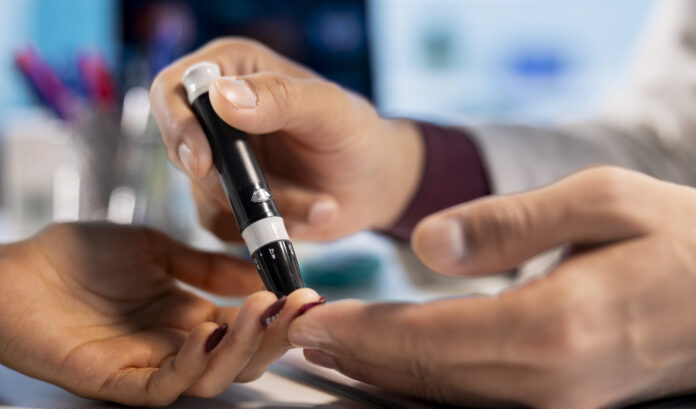
Technology has given us tools that make diabetes management more accessible and effective than ever before. Glucometers allow daily tracking at home, while HbA1c tests provide a long-term picture of blood sugar control. More advanced systems like Continuous Glucose Monitoring (CGM) devices now offer real-time data, showing how every meal, walk, or sleepless night affects blood sugar levels.

This shift toward continuous, personalized monitoring empowers individuals to make timely adjustments, transforming diabetes care from reactive to proactive.

Lifestyle: The Strongest Medicine We Overlook

If one message must echo through every household, it is this: lifestyle is medicine. Evidence shows that 150 minutes of moderate physical activity per week, such as brisk walking, cycling, or swimming, can drastically improve insulin sensitivity. Similarly, sufficient sleep and stress management are not luxuries but metabolic necessities. Chronic stress raises cortisol levels, directly elevating blood sugar and weakening the body’s natural balance.

These changes require no prescription, only consistency. Every meal eaten mindfully, every early walk taken, every night of good sleep adds up to prevention on a national scale.

When Genetics Adds to the Story

While lifestyle shapes outcomes, genetics still plays a quiet but powerful role. A 25-year-old professional from Gurugram (name changed) was recently diagnosed with a rare form of Type 1 diabetes after genetic testing revealed inherited risk markers that had remained dormant for years. Cases like this show that early genetic screening can help identify hidden vulnerabilities, allowing individuals to take preventive steps long before symptoms appear.

The future of healthcare lies in this fusion of personalized awareness, preventive lifestyle, and precision medicine, a model where individuals and systems work together to outpace disease.

A Collective Responsibility

India’s diabetes crisis cannot be addressed solely within clinics or hospitals. It demands a cultural and behavioral shift at every level, in homes, workplaces, and schools. The roadmap is clear:

  • Rebuild awareness around food and portion balance.
  • Encourage daily movement as part of public health, not personal choice.
  • Integrate sleep and stress management into our definition of well-being.
  • Use digital tools and genetic insights for early, personalized prevention.

The message is simple: diabetes does not develop overnight, and it cannot be reversed overnight. It begins with our everyday choices, and so does the solution.

India’s greatest opportunity lies not in treating diabetes after it appears but in preventing it before it takes root. The future of healthcare will not be defined by the number of hospitals we build but by how many healthy lives we sustain outside them.

Sources:

  • Lancet–WHO Analysis, 2024
  • National Medical Journal, 2024
  • ICMR–INDIAB Study (2008–2020)
  • Indian Council of Medical Research (ICMR, 2024)
  • National Library of Medicine

Latest News

The Tivoli Hotel, Chattarpur achieves Five-Star Certification from Ministry of Tourism.

Tivoli Hospitality Group announces that The Tivoli Hotel, Chattarpur, has been awarded the prestigious Five-Star Certification by the Ministry of Tourism, Government of...