




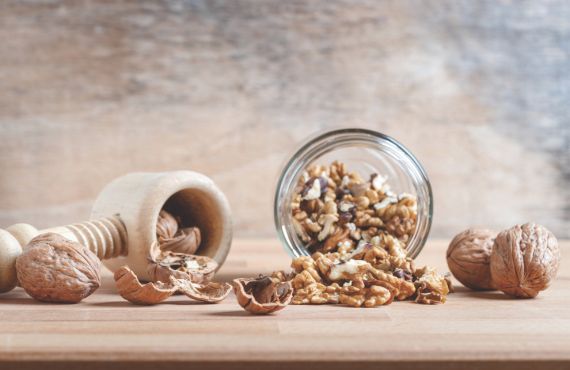
The fundamentals of storage are simple but critical. California walnuts should be kept cold and away from strong smelling ingredients throughout the entire supply chain to preserve freshness.
From supporting brain health and nourishing the heart to improve sleep quality, walnuts are nature’s nutrient-rich superfood. With their distinctive brain-like shape and rich, earthy flavour, walnuts have long been associated with nourishment and vitality across cultures for more than 7,000 years. Yet, what makes these truly remarkable is the delicate balance they carry: rich in natural oils and nutrients, they are both powerful and perishable. In today’s increasingly conscious consumption landscape, the conversation is no longer limited to why walnuts should be consumed, but how they must be handled and stored to preserve their integrity. Crunchy, versatile, and packed with goodness, walnuts bring exceptional flavor and nutrition together. Because when it comes to walnuts—especially California Walnuts—quality is not just grown; it should be carefully protected at every stage.
Walnuts: Nature’s Nutrient Powerhouse
Walnuts are among the most nutrient-dense tree nuts, offering a rare combination of taste and functional health benefits. They are the only nuts significantly rich in plant-based omega-3 ALA (alpha-linolenic acid), known to support heart health and reduce inflammation, which bodies need but can get from food. In addition, walnuts have a positive effect on gut health and provide dietary fibre, along with essential nutrients such as magnesium, Vitamin B6, copper, and manganese. Scientific studies have increasingly linked regular walnut consumption to improved cognitive function, metabolic health, and overall wellbeing—positioning walnuts as a daily nutritional essential for modern lifestyles.
California Walnuts: Unmatched in Quality and Care
At the heart of the global walnut industry California’s family walnut growers, many of which are multi-generational family farms solely dedicated to growing world-class walnuts, play a significant role in supplying walnuts worldwide. Grown in California’s fertile Central valley, these walnuts are globally recognised for their rich flavour, and consistent quality. Globally, the walnut market continues to expand at a steady CAGR of 5–6%, driven by snacking replacing meals and rising awareness around plant-based nutrition. Within this landscape, California Walnuts have established a premium position, backed by stringent food safety standards, sustainable cultivation practices, and reliable supply. Serving markets worldwide, including India, California Walnuts have established a significant presence in the imported walnut category.
Sending the Right Message
In India’s high-temperature and variable humidity environment, maintaining walnut freshness requires a more mindful approach across the entire value chain. A common misconception is that walnuts can be stored like other dry fruits at room temperature. In reality, walnuts are a semi-fresh fruit and their high oil content makes them sensitive to heat, air, and moisture—factors that can lead to oxidation, resulting in bitterness, loss of crunch.
The fundamentals of storage are simple but critical: walnuts should be kept in airtight containers and refrigerated to preserve freshness. Shelled walnuts, being more exposed, require even greater care, while avoiding strong odors is essential as walnuts can easily absorb surrounding smells. Once in the consumer’s home, freezing is an effective option for longer shelf life.
Freshness & Shelf Life Factors
Walnut quality and shelf life depend on three key factors:
- Product characteristics and packaging
- Storage and distribution environment
- Transportation conditions
Adopting a cold-chain mindset is essential in markets like India. Advanced packaging solutions such as nitrogen flushing, vacuum sealing, and resealable pouches can significantly slow oxidation. Equally important is clear consumer communication—simple cues like ‘Refrigerate after opening,’ supported by on-pack messaging and digital engagement, can play a key role in shifting consumer behaviour so that their nutritional investment remain fresh increasing repeat purchase.
Best Practices for Storage
Walnuts should ideally be stored at 0–10°C with low humidity (<65%) in oxygen-controlled or vacuum-sealed packaging. Even at retail, cooler and shaded environments significantly extend shelf life.
In-Store Temperature & Handling Discipline
Retailers must treat walnuts as a temperature-sensitive product rather than a standard dry fruit.
- Avoid open bins and loose display
- Maintain cool, air-conditioned display areas
- Limit exposure to direct light
- Ensure stock rotation
Moisture & Hygiene Control
Maintaining clean and dry conditions is critical to prevent contamination risks.
- Ensure dry storage environments
- Implement strong pest control
- Use food-grade packaging
- Comply with FSSAI norms
Packaging and Transportation Logistics
Walnuts require temperature-controlled handling even before they reach store shelves. During high-temperature months, refrigerated transport is essential to prevent quality degradation. A just-in-time inventory approach further helps minimise warehouse time and maintain freshness. Closer coordination between importers, distributors, and retailers—supported by data sharing on inventory cycles and product feedback—can significantly improve quality consistency across the supply chain.
Looking ahead, education-led marketing will play a defining role. Pamela Graviet, Vice President Integrated Marketing, California Walnut Commission notes, “Promotions , packaging, and consumer education should actively communicate freshness, quality, and the importance of correct storage to enhance consumer enjoyment. We are addressing this through a focused awareness effort that integrates both physical and digital touchpoints.”
Preserving Quality, Building Trust
The objective is clear: to reposition walnuts from a seasonal indulgence to an all-season essential—one that consistently delivers on taste, freshness, and nutrition when stored right. As the category grows, embedding storage awareness into the purchase journey becomes critical, not just to protect product integrity but to enhance the overall consumer experience. With California Walnuts readily available in markets like India, the real opportunity lies in preserving the quality consumers expect. From harvest to consumption, proper storage plays a crucial role in maintaining freshness, flavor, and texture. After all, a walnut’s true value is experienced in its taste, and ensuring that every bite delivers the intended sensory experience is essential for driving consumer satisfaction and repeat purchases.