


India’s sauces and ketchup industry stands at a fascinating crossroads where traditional spice heritage meets modern convenience. The condiments space today represents one of the country’s most dynamic food sectors, driven by urbanisation, rising demand for global tastes, and consumers eager to experiment with bold new flavours. This industry is experiencing unprecedented growth, transforming from a niche market into a mainstream category that’s reshaping how Indians approach flavour enhancement.
Market Scale and Growth Trajectory
India’s ketchup market, the more established category, reached USD 4.85 billion in 2025 and projects annual growth of 5.14%. This mature segment has been dominated by legacy players like Maggi and Kissan, whose flavoured variants like “Hot and Sweet” have become household staples.
Meanwhile, the hot sauce segment presents a more dramatic growth narrative. Valued at USD 0.5 billion in 2024, this market is expected to reach USD 0.7 billion by 2033, growing at 3.8% annually. To put this in a global perspective, Europe’s hot sauce market hit USD 860.5 million in 2024 and is projected to reach USD 1.09 billion by 2033, indicating a substantial runway for category growth globally.
What makes these figures particularly significant is the fundamental shift they represent. Traditionally, Indian cuisine derived its heat from fresh chillies, homemade pickles, and complex spice blends. Today’s consumers, especially younger urban demographics, are increasingly embracing convenient, global formats that deliver that familiar yet different flavour profiles. The growth of hot sauces and hot condiments globally tells us that people are becoming more inclined to add “heat” to their regular foods, and there is no better time to give them what they want and get them more acquainted with our Indian chillies.
Hot Sauce Revolution in Indian Kitchens
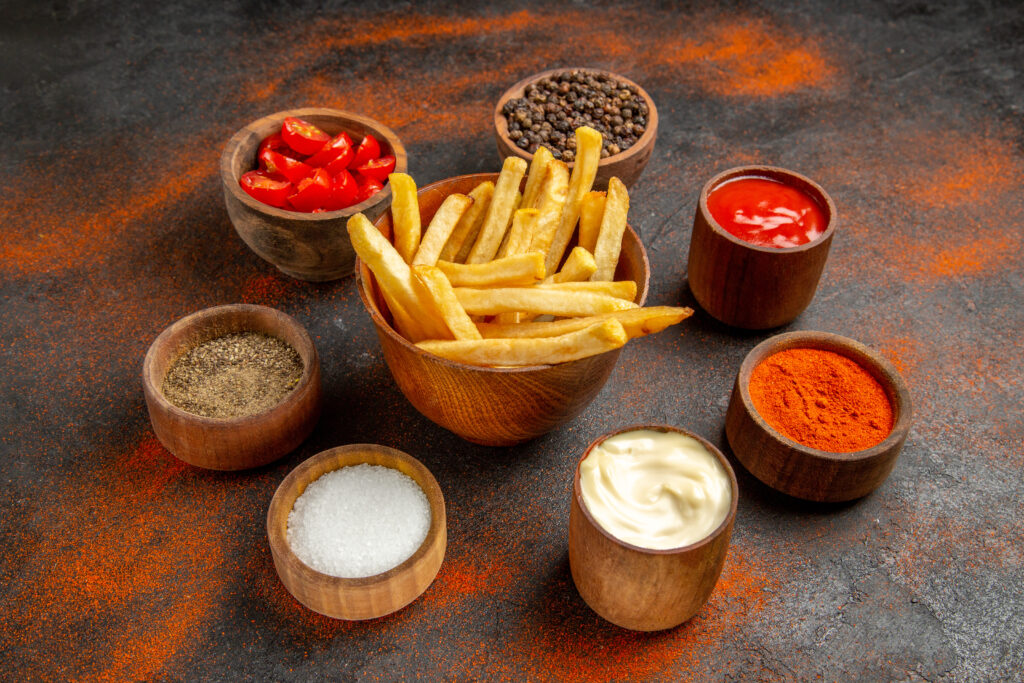
The hot sauce boom reflects more than market expansion; it signals changing consumer behaviour. Urban millennials and Gen Z, exposed to Korean, Mexican, and American cuisines through global media and international food chains, are driving this transformation.
Not just global but Indian cuisines too have taken on a place in being paired with global condiments, for instance, Hot sauces are appearing in unexpected places: drizzled over chaats, enhancing parathas, and elevating street food experiences. This fusion approach has encouraged manufacturers to develop products featuring regional Indian chilli varieties, creating offerings that feel both internationally inspired and locally authentic.
Digital platforms have also accelerated adoption significantly. Online retail made diverse hot sauce varieties accessible beyond major cities, while social media showcases innovative usage ideas. European online hot sauce sales grew 18% in 2023 alone, demonstrating how digital channels are reshaping condiment consumption globally.
Ketchup’s Trust and Innovation Challenge

While hot sauces capture headlines, the ketchup market faces different pressures. As a mature category with established habits, ketchup players today navigate rising health consciousness and demands for ingredient transparency. Modern consumers actively seek organic options, reduced-sugar formulations, and preservative-free alternatives.
Meanwhile, the flavoured ketchup segment offers significant innovation potential. While sweet and tangy variants dominate, growing interest in products incorporating distinctive chilli varieties and bold spice combinations creates opportunities. Fusion ketchups mixing sweet, tangy, and spicy elements signal market readiness for more sophisticated flavour profiles, particularly when supported by transparent ingredient stories.
Future Opportunities and Market Direction
India’s sauces and ketchup industry appears positioned for continued transformation. The convergence of health consciousness, flavour adventurousness, and digital accessibility creates massive opportunities for growth across both established and emerging segments, for current and future players to come.
The international context provides both inspiration and validation. As global hot sauce consumption rises and flavour preferences become more sophisticated worldwide, Indian players become exporters of uniquely Indian flavour profiles to international markets.
The industry’s future belongs to brands understanding that today’s consumers want prominent flavour profiles infused in their familiar formats more than anything. They seek products delivering authentic stories, consistent quality, and meaningful culinary enhancement. In a market where tradition meets innovation, brands that honour both, while building trust and connection with their audience, will sustain long-term growth.