


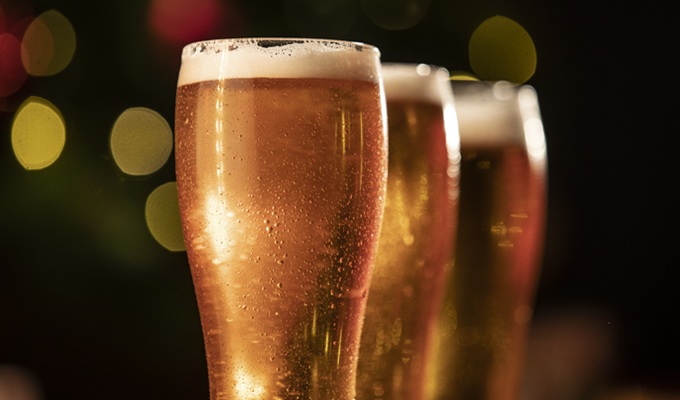
India’s beer market is in the midst of a significant transformation. For years, consumption was largely defined by strong lagers, competitive pricing, and high-volume drinking occasions. Today, that dynamic is shifting. What we are seeing instead is a steady move toward premiumisation, one that is redefining not just what consumers are drinking, but how they are engaging with beer as a category.
Premiumisation, in this context, goes far beyond price. It reflects a deeper change in consumer intent, where beer is no longer a default choice but a deliberate one.
From Habit to Intent
One of the most defining aspects of this shift is the move from habitual to intentional consumption. The Indian consumer today is more aware, more exposed, and far more curious. Global travel, digital media, and evolving social habits have collectively expanded the frame of reference.As a result, consumers are engaging more actively with what they drink. There is a growing interest in understanding styles, ingredients, and brewing techniques. The language around beer is also evolving, terms like “crisp,” “hoppy,” or “full-bodied” are entering everyday conversations, signaling a more informed and participative audience.This change is particularly pronounced among younger consumers, for whom drinking is as much about discovery as it is about socialising. The decision is no longer driven purely by availability or price, but by preference and experience.
Redefining Value in Beer
Premiumisation is also redefining what value means in the category. Traditionally, value was closely linked to quantity, larger formats, higher strength, and competitive pricing. Today, value is increasingly being associated with quality, craftsmanship, and differentiation.
Consumers are demonstrating a clear willingness to pay more for a better experience. This does not necessarily translate into higher consumption volumes; in fact, it often leads to more measured, mindful drinking. The emphasis is shifting toward enjoying the product rather than simply consuming it.This evolution is opening up space for a wider variety of offerings within the market, allowing brands to compete on distinctiveness rather than scale alone.
The Expanding Flavor Spectrum
The diversification of taste is one of the most visible outcomes of premiumisation. Styles such as wheat beers, ales, and IPAs are gaining traction, supported by a growing appetite for experimentation.
Consumers are increasingly open to exploring beers that offer complexity, whether through layered flavors, nuanced aromas, or a more refined mouthfeel. The focus is moving away from intensity alone and toward balance and drinkability.Importantly, this shift is not limited to metropolitan consumers anymore. While urban centers continue to lead, awareness and aspiration are gradually spreading to emerging markets as well, indicating a broader cultural change.
Craft and the Rise of Local Expression
The craft beer movement has been instrumental in shaping this new landscape. By introducing smaller batches, diverse styles, and a strong focus on quality, craft brewers have redefined expectations within the category.
In India, this movement has taken on a unique character. Brewers are increasingly incorporating local elements into their creations, experimenting with regional ingredients and flavor inspirations. This approach not only differentiates the product but also builds a stronger cultural connection with consumers.The result is a category that feels more dynamic and expressive, where global techniques meet local sensibilities. This fusion is helping Indian beer carve out its own identity, rather than simply mirroring international trends.
Experience as a Core Proposition
As premiumisation takes hold, the experience surrounding beer is becoming just as important as the product itself. The rise of taprooms, brewpubs, and curated tasting formats reflects a growing demand for more immersive engagement.These spaces offer consumers an opportunity to explore, learn, and interact with the product in a more meaningful way. They transform beer from a transactional purchase into an experiential journey.Even beyond on-premise consumption, experience is playing a larger role. Packaging, for instance, has evolved into a key touchpoint. Thoughtful design, tactile elements, and strong visual identities are shaping first impressions and influencing buying behavior.
The Role of Digital and Social Influence
Digital culture has accelerated many of these changes. Social media platforms have turned beer into a highly visual and shareable product, where aesthetics and storytelling carry significant weight.Consumers are not just drinking beer, they are documenting and sharing their experiences. This has created a feedback loop where brands are encouraged to innovate not only in terms of product but also in presentation and narrative.In this environment, discoverability becomes critical. A distinctive identity, both visually and conceptually, can significantly enhance a brand’s ability to stand out in an increasingly crowded market.
Conscious Consumption and Evolving Expectations
Another important dimension of premiumisation is the shift toward more conscious consumption. Consumers today are paying closer attention to what goes into their beer and how it is produced.There is a growing preference for authenticity, transparency, and responsible practices. This includes everything from ingredient quality to sustainability considerations. Brands that are able to align with these expectations are likely to build stronger, more enduring connections with their audience.At the same time, moderation is becoming a more visible trend. The idea of “drinking better” rather than “drinking more” is gaining acceptance, reinforcing the move toward premium, experience-led consumption.
Navigating a Complex Landscape
Despite the strong momentum, the Indian beer industry continues to operate within a challenging regulatory framework. State-specific policies, taxation structures, and distribution constraints can limit accessibility and slow down expansion, particularly for premium and emerging players.However, the direction of change remains encouraging. Greater openness toward new formats, evolving retail channels, and increasing consumer demand are gradually pushing the ecosystem forward. As these structural barriers ease over time, the premium segment is likely to see even stronger growth.
A Category in Transition
What makes this phase particularly significant is that premiumisation is being driven from both ends, by consumers seeking better experiences and by brands responding with greater innovation. The competitive landscape is shifting accordingly. Success is no longer defined solely by reach or scale, but by the ability to create differentiation, build a compelling narrative, and stay relevant to a more discerning audience. Beer in India is moving away from uniformity toward diversity, of flavors, formats, and experiences. This transition is not just expanding the category; it is redefining it. Premiumisation, in that sense, represents a deeper cultural shift. It is changing how beer is perceived, how it is consumed, and the role it plays in social and personal contexts. And as this evolution continues, it is setting the stage for a more nuanced, expressive, and experience-driven future for the category.