

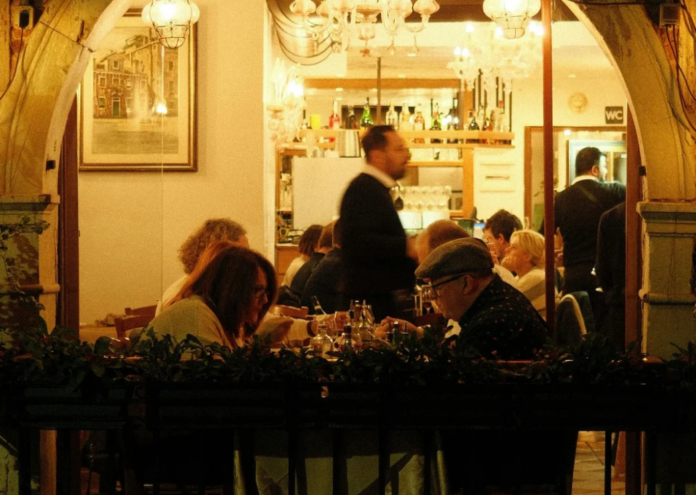

Restaurants in India are increasingly being used as places to socialise, catch a live act or watch a match, not only to eat. With competition rising, hospitality brands are looking at what they can offer beyond the menu to get customers to visit more often.
RedSeer puts India’s food-services market at roughly $90 billion today and expects it to reach $150 billion by 2030. Organised players are projected to grow at a CAGR of 17–18%. Online delivery is the fastest-growing segment at 20–22% CAGR, but dining out still gives restaurants something delivery can’t: a chance to build a relationship with the customer in person.
That matters because the field is getting crowded. India has an estimated 1,000–1,100 organised food-services companies, and most haven’t reached meaningful scale. For brands competing for a larger share of consumer spending, a recognisable identity and something beyond the food itself are becoming priorities.
Dining out is increasingly tied to occasions. People go out to catch up with friends, celebrate a milestone, see a live act or spend an evening with family. Ambience, interiors, music, service and menu innovation have become part of the restaurant’s pitch, and some operators are going further with live entertainment, sporting screenings, stand-up comedy and curated cultural events.
The result is a different way of designing a restaurant. Instead of serving a single dining occasion, many brands now plan venues that work for a relaxed dinner, a group get-together or an immersive evening of entertainment. The idea is to get guests to stay longer and associate the place with occasions beyond a regular meal.
True Palate Hospitality’s portfolio shows how differentiated concepts are responding to this shift. Its brands, One8 Commune and Neuma, cater to different dining preferences through separate identities and experiences. One8 Commune brings together dining, socialising and entertainment in a contemporary setting, while Neuma offers a design-led hospitality experience. In both, the overall atmosphere is as important to the proposition as the food.
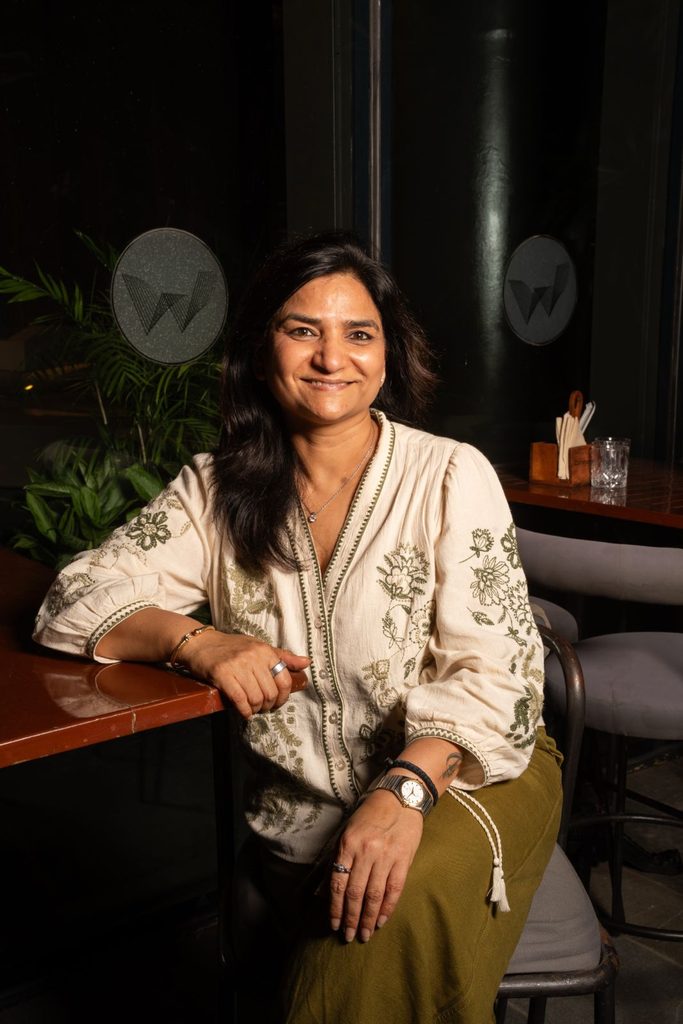
Commenting on the evolution of the sector, Aditi Tihara, Senior Vice President, True Palate Hospitality, said, “Consumers today are increasingly seeking experiences that go beyond dining. Restaurants are consequently evolving into lifestyle destinations where food, entertainment, and community come together. Live entertainment, whether it’s sporting events, music performances, stand-up comedy, or curated cultural evenings, is no longer just an add-on; it’s becoming an integral part of the hospitality experience. These experiences encourage guests to engage more deeply with the brand rather than treating visits as occasional indulgences. As consumer preferences continue to evolve, experiential offerings will become just as important as culinary innovation and will play an increasingly important role in how restaurants differentiate themselves and build lasting customer loyalty.”
Building a restaurant around an experience carries its own business risks. Entertainment, design and curated events can attract attention and encourage a first visit, but sustaining interest takes consistency across the whole offering. Food quality, service standards, menu relevance and value still decide whether customers return. The challenge for operators is to make sure the experience supports the dining proposition and does not overshadow it.
With the market heading towards $150 billion, competition for diners’ attention will only get tougher. Restaurants that pair strong food with a distinctive setting and memorable evenings are likely to be better placed to build recall and repeat business. What brings people through the door may be changing, but good food and attentive service are still what keep them coming back.