


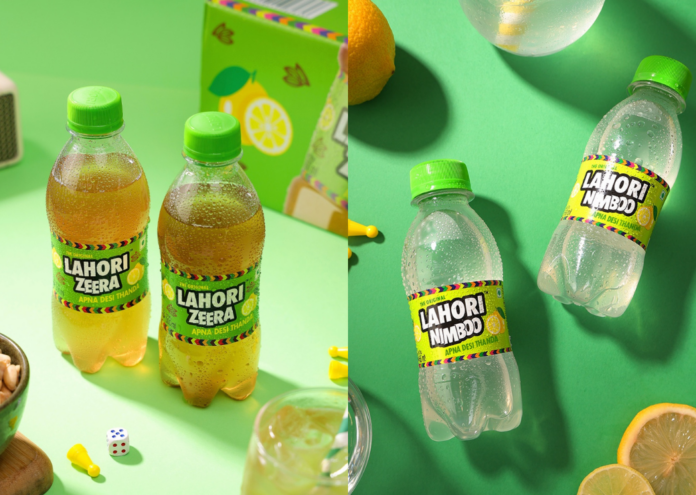
As consumers rediscover the appeal of traditional Indian flavours, Lahori Zeera is transforming nostalgia into a fast-growing, modern beverage business.
India’s beverage market is witnessing a quiet but significant transformation. As consumers increasingly look beyond conventional carbonated soft drinks, a growing preference for familiar Indian flavours, regional recipes and nostalgic taste experiences is creating space for a new generation of homegrown brands.
Among the brands driving this transformation is Lahori Zeera, established in 2017 by first cousins Saurabh Munjal, Saurabh Bhutna and Nikhil Doda under the banner of Archian Foods. Built on the vision of bringing India’s traditional refreshments into the organised beverage market without compromising their authentic taste, the brand has steadily expanded beyond its flagship Lahori Zeera to include Shikanji, Nimboo, Kacha Aam, Masala Cola and Aamras.
The growth story has been equally remarkable. In 2025, Archian Foods raised Rs 200 crore in Series B funding led by Motilal Oswal Private Equity, enabling the company to significantly expand its manufacturing capacity to nearly 50 lakh bottles a day during peak summer demand.
The momentum has also been reflected in its financial performance, with FY25 revenues touching Rs 540.2 crore, registering an impressive 73% year-on-year growth. Behind these numbers, however, lies a broader story of changing consumer preferences, evolving retail dynamics and a business model that has successfully blended Indian nostalgia with modern scale—an approach that continues to shape Lahori Zeera’s journey across both organised and traditional retail channels.
While the company continues to expand its flavour portfolio, Nikhil Doda, Co-founder and COO, Lahori Zeera, says its flagship offering remains the biggest growth driver. “While all other flavours are new and still not available in all regions, Lahori Zeera continues to be the hero and flagship product, which is growing strong and is a favourite across geographies,” he notes.
According to Doda, organised retailers have become far more data-driven. They evaluate brands based on repeat purchases, sales velocity, margins, supply reliability, and overall consumer pull. Getting on the shelf is only the first step but staying there depends on consistent demand and replenishment. He believes that kirana stores, in contrast, focus on two simple metrics: how much shelf space a product occupies and how quickly it sells. Faster rotation means better ROI and stronger margins for the retailer.
The New Taste of Tradition
Traditional Indian beverages, once associated largely with home kitchens and older generations, are finding a new identity in India’s fast-evolving soft drinks market. As consumers increasingly seek authentic flavours alongside modern convenience, legacy recipes such as jeera, shikanji and kacha aam are being reimagined through contemporary packaging, stronger branding and wider retail availability. This shift has enabled homegrown brands to position traditional Indian drinks not as relics of the past, but as lifestyle beverages that resonate with younger consumers.
“What changed was how they were packaged, presented and made available. Better quality, stronger branding and wider distribution helped younger consumers see familiar Indian tastes as relevant, expressive and modern, rather than something limited to nostalgia or older generations,” Doda says.
Beyond the Flagship
Lahori Zeera is widening its product portfolio with new flavours and formats, while maintaining an affordability-led pricing strategy to drive frequent consumption. Over the past year, the company has expanded its portfolio with Masala Cola and a non-carbonated Aamras drink, alongside introducing more pack-size options. However, Doda explains the brand’s product strategy is focused on creating relevance rather than simply increasing the number of stock-keeping units (SKUs).
“We are not launching products simply for novelty. The focus is on entering adjacent occasions where consumers want familiar Indian flavours in convenient ready-to-drink formats today. We also strongly believe our flagship product, Lahori Zeera, alone has the capability of growing into a very sizeable brand,” he states.
On pricing, Lahori Zeera continues to prioritise affordability while balancing rising input costs and retail economics. According to Doda, accessible price points remain essential in a category driven by impulse and repeat purchases.
Geographically, Lahori Zeera continues to draw significant business from its established northern markets while witnessing accelerated growth in newer regions. Delhi NCR, Uttar Pradesh, Punjab and Haryana remain its strongest markets, supported by the brand’s presence of over seven years. Meanwhile, Bihar, Jharkhand, Maharashtra, West Bengal, Madhya Pradesh and Chhattisgarh are emerging as key growth markets.
Winning Across Channels
General trade continues to be the backbone of Lahori Zeera’s distribution strategy, even as modern trade and quick-commerce emerge as fast-growing channels for consumer discovery and convenience. The homegrown beverage brand is pursuing an omnichannel approach, leveraging each retail format for a distinct purpose in its growth journey. As per Doda, neighbourhood kirana stores continue to account for the largest share of the company’s sales, reflecting the impulse-driven nature of the beverage category.
“The universe in general trade is really huge. Modern trade and quick-commerce are still small in overall contribution, but they are growing fast,” he comments.
The brand believes each retail channel plays a complementary role in building the brand. Kirana stores have been instrumental in establishing consumer trust and retailer advocacy, while quick-commerce is helping the company reach new consumers and encourage product trials.
“Our approach is to be omnipresent across channels, with each serving a distinct role. General trade has shaped the brand the most by driving visibility, retailer advocacy and mass consumer trust. It’s also one of the toughest channels to crack, but once you earn shelf space and retailer confidence, the growth potential is significant,” Doda says.
Redefining Cold Drinks
The regional players are betting on Indian flavours, cultural relevance and consistent product experience to build long-term consumer loyalty. For Lahori Zeera, the challenge is not just competing for shelf space, but reshaping what consumers associate with a refreshing cold drink.
Doda believes winning consumers requires much more than aggressive pricing or extensive distribution. He notes that the battle starts in the consumer’s mind, but it is won only when taste, price and availability work together.
The brand also aims to redefine consumer perceptions of the soft drinks category, which has traditionally been synonymous with cola-based beverages. Rather than positioning Indian flavours as occasional or nostalgic choices, Lahori Zeera wants them to become part of consumers’ everyday beverage preferences.
“Our aim is to make Indian flavours part of everyday refreshment, not an occasional nostalgic choice, by combining familiar taste with the consistency, convenience and energy of a contemporary beverage brand,” Doda states.
Charting the Next Phase
As India’s beverage market enters its next phase of growth, expansion is no longer measured solely by revenue. For Lahori Zeera, operational excellence and consistent nationwide availability matter as much as financial milestones. The company’s biggest milestone would be building a supply chain that can serve consumers across the country without compromising quality.
“The revenue milestone would matter, but I would be happier if we built enough capacity and distribution to stop losing demand because stock is unavailable. Reaching most Indian pin codes consistently, without compromising taste or quality, would create a stronger foundation than any headline number. Our immediate priorities are expanding manufacturing capacity, strengthening co-bottling partnerships and entering southern markets, while going deeper in our existing geographies,” concludes Doda.